Meditation is food for the soul

Manage stress and improve your concentration by practising mindfulness — even in 2 minutes.
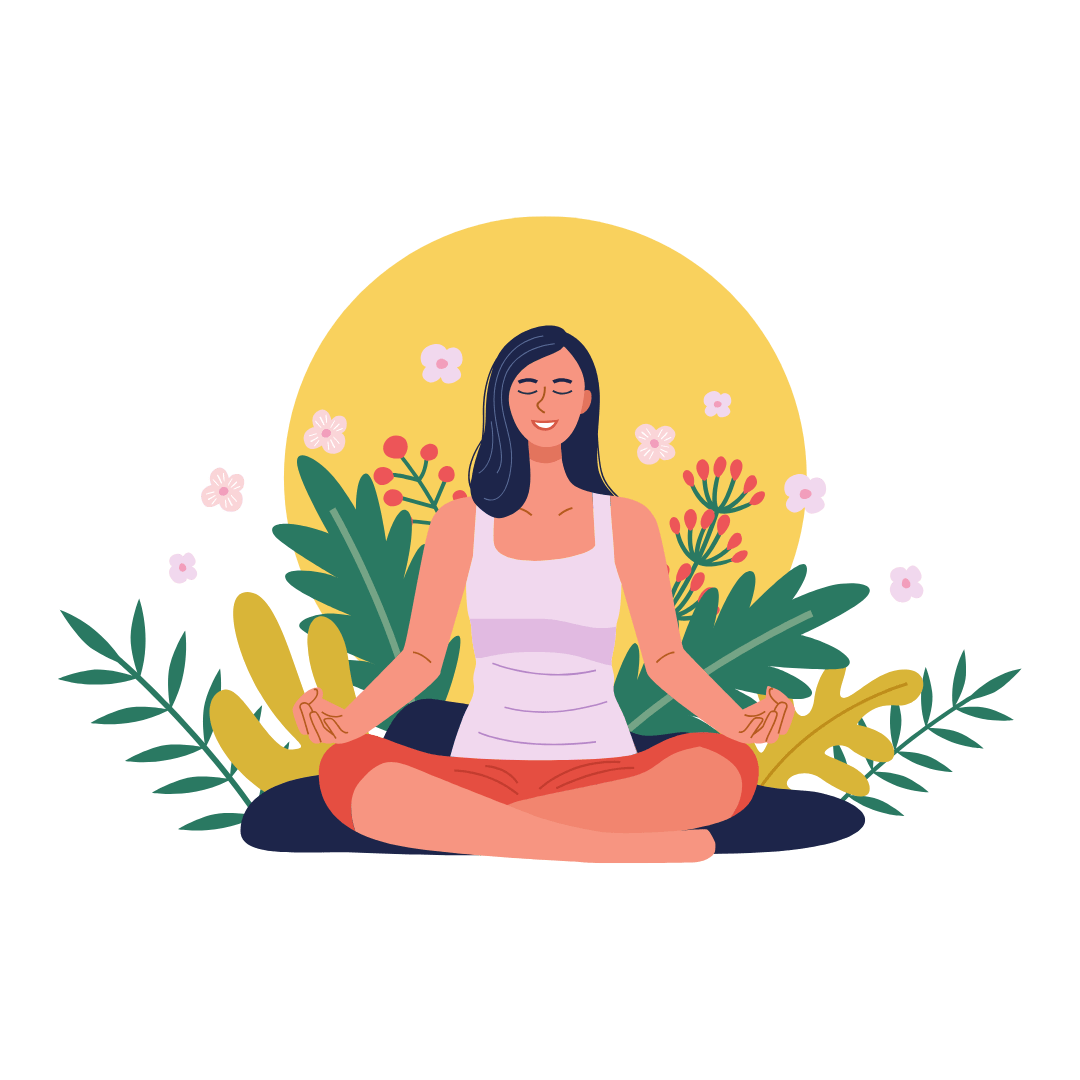
Mindfulness practice at home
Why try it:
  • Lower stress & anxiety; better sleep and concentration.
  • Short, repeatable practices fit into busy schedules.
  • Mix options (breath, body, walking) to find your best fit.

Feeling overwhelmed, anxious or tired? A short practice can bring a calming reset. The most common starting point is mindfulness — paying gentle attention to sensations (breath, body, sounds) without judging them. One size doesn’t fit all, so sample a few options below and keep the ones that feel kind and effective for you.

Prefer tech help? Try guided meditations, simple timers, or even biofeedback headbands — whatever helps you show up consistently.
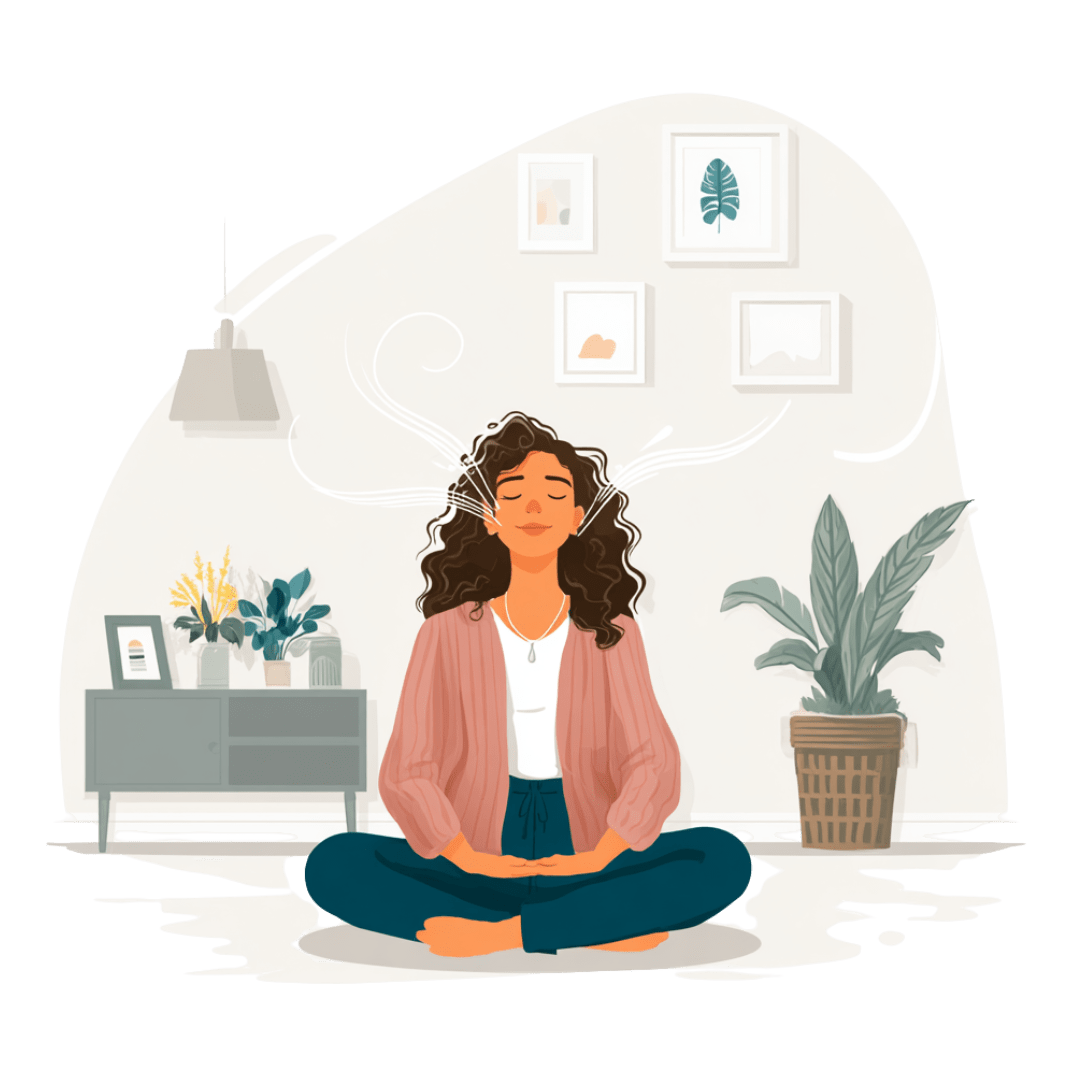
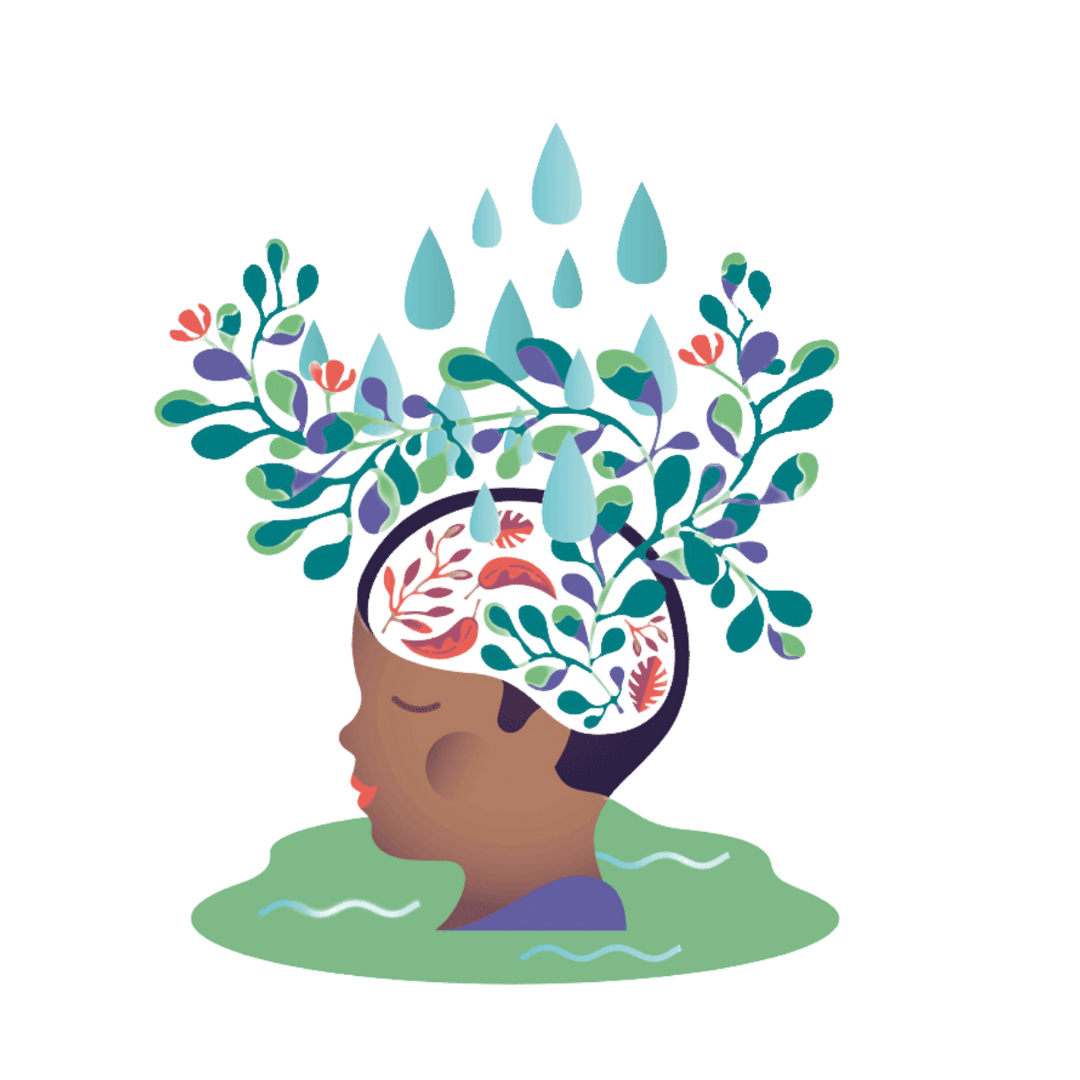
Calm breathing illustration

2-Minute Breathing Coach

Ready?
Pick a technique and press Start.
Tip: Breathe through the nose if comfortable. Light, no forcing.

Quick Mindfulness Techniques (pick one)

  • Count 10 breaths: Inhale/Exhale = 1 breath. If you lose count, start again at 1. Aim for 2–3 rounds.
  • Body scan (2–5 min): From toes to head, notice sensations. Optionally tense–relax each area.
  • Observer mode: Imagine watching your moment on a cinema screen. What would calm, future-you do next?
  • 5–4–3–2–1 grounding: Notice 5 things you see, 4 you feel, 3 you hear, 2 you smell, 1 you taste/like.
  • Chores with purpose: While washing dishes, feel warmth, hear bubbles, notice fragrance — stay with the senses.

Give me a random practice

Press “Pick one” for a 1–3 minute micro-practice.
Quick mindfulness choices

Mindful Walking (great if sitting feels hard)

00:00
Ready — heel → flat → toe
Walk naturally. When the mind wanders, gently return to the next footfall.
Timer idle.

7-Day Habit Builder

We’ll ask a few questions above and create a concrete, time-bound plan.

Apps & Resources

Apps are optional — the best tool is the one you’ll actually use.

Safety notes

  • If breath-focused practices feel uncomfortable, try eyes open, a softer focus (sounds, touch), or mindful walking instead.
  • If you have a history of trauma or panic, choose shorter practices and consider support from a qualified professional.
  • Mindfulness complements care but doesn’t replace medical advice.

Make calm a tiny daily habit.

Try the walking timer or 2-minute coach now, then lock in your next 7 days.
author avatar
The Career Academy
We are the team behind The Career Academy, a collective of industry experts and career coaches dedicated to your professional growth. Our blog shares practical insights on everything from online education trends and accredited course pathways to essential career tools like resume building and LinkedIn optimisation. We provide the strategies and resources you need to upskill, get hired, and succeed in the modern Australian workforce.